
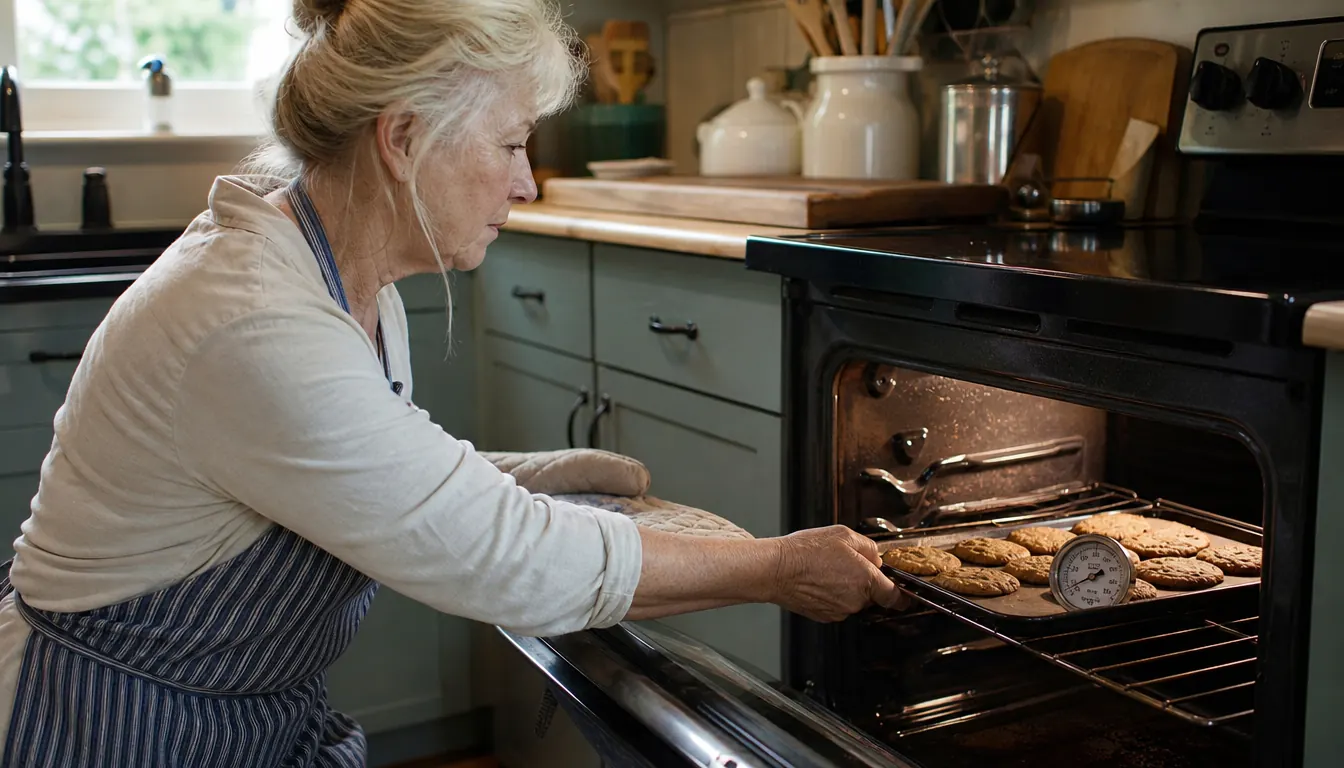
I blamed the recipe for almost a year. My sugar cookies came out pale on top and burnt on the bottom, and I told myself I was rolling them too thin, or leaving them in a minute too long, or using a sheet pan that had seen better days. Then I blamed the weather, because a humid day can do things to dough. It never once occurred to me to blame the oven. The oven said 350 degrees, and I had set it to 350 degrees, and when an oven says a number, you believe it.
What finally changed my mind was a small Taylor oven thermometer, the 3-inch analog model. I bought it about two years ago, after one too many batches of parish bake sale cookies with black bottoms. The box said it reads accurately from 100 to 600 degrees Fahrenheit, and 50 to 300 degrees Celsius for anyone who uses that scale, with a large, colorful dial and clearly marked cooking zones. I figured it was a small enough thing to try, and if it told me my oven was fine, I would go back to blaming myself.
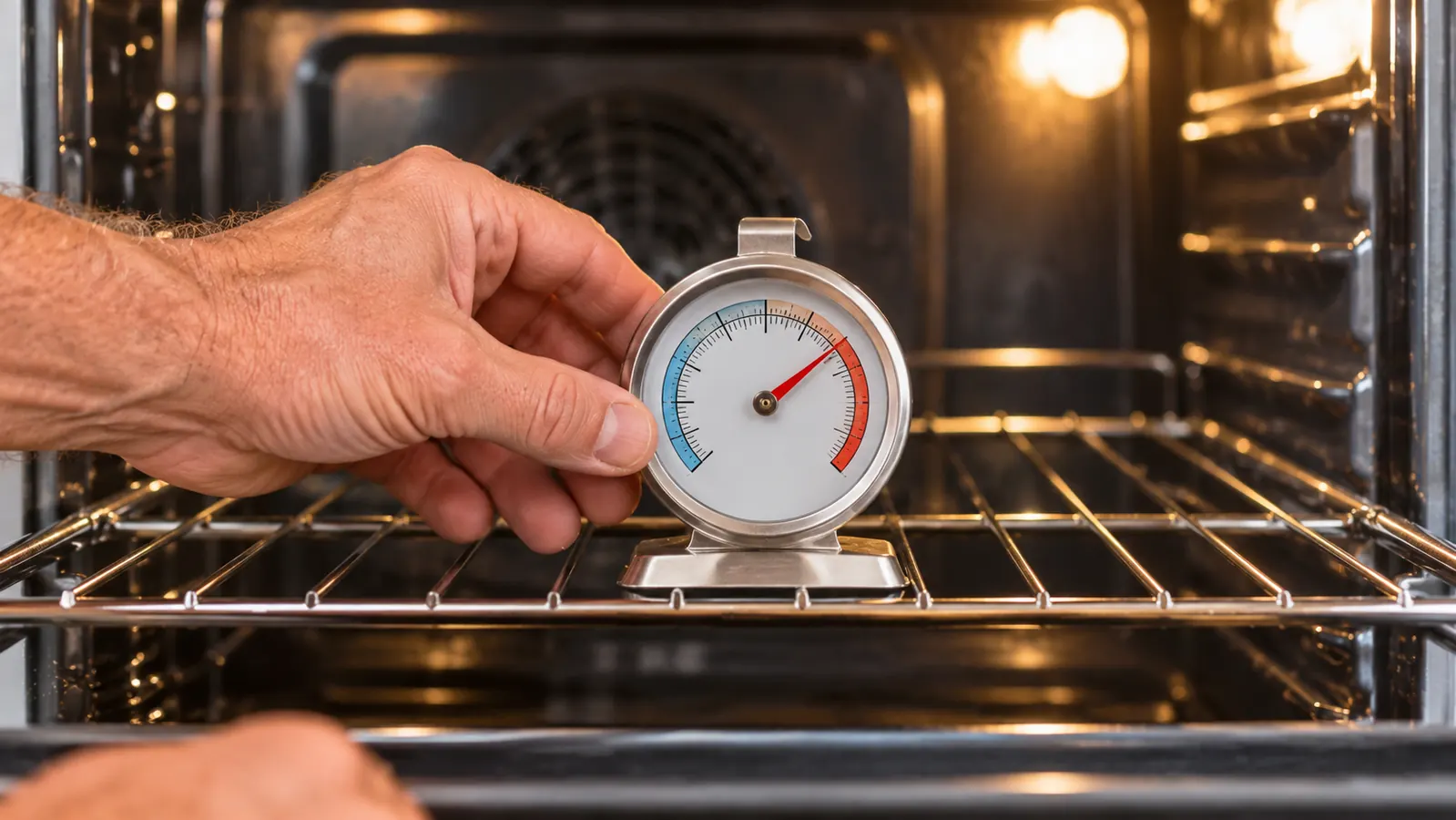
The first time I used it, I set the oven to 350 and waited for the dial to settle. It settled at 335, then crept to 340, then drifted up to 365 and back down. My oven, which I had trusted for years, was running about 15 degrees hot, and it was not even running hot evenly. The thermometer did not fix my oven. It just told me the truth.
That truth changed how I bake. Now I set the dial a little lower, and I know what is actually happening inside. I use the marked cooking zones on the large dial to check that I am in the right neighborhood for the job. For a woman who has baked for her family and her parish bake sale for about thirty years, that is a small thing and also a very large thing.
I will be honest about what it felt like. I had started to wonder if my baking had gone off, if my hands were not what they used to be. It was a relief to learn the oven was the problem, not me. A 3-inch thermometer cannot fix an oven, but it can tell you where the real problem lives, and that is more than half the battle.
The thermometer did not fix my oven. It just told me the truth. That turned out to be enough.
Catch the lie your oven is telling you
The Taylor Analog Oven Thermometer reads from 100°F to 600°F, with a large, colorful dial and clearly marked cooking zones. It has sat on my middle rack for two years.
Amazon Check Today's Price on Amazon →Here is what two years of using it taught me. The thermometer is not magic, and it is not a repair. It is a witness. It hangs from the middle rack, and when I open the oven door, I can read the large dial at a glance, even with my hands full of a hot sheet pan. The stainless steel body has held up through two years of heat and humidity, and the fast reading system means I get an answer quickly and close the door before the heat escapes. It is a small thing, small enough to hang from a rack and forget about until you need it, and that is exactly the kind of tool a small kitchen has room for.
It is not dishwasher safe, so I wipe it with a damp cloth and hang it back on the rack. That is the whole of the care it needs. Two years in, it still reads true, and I trust it more than I trust the number on the oven itself. I check it against the oven's own reading every few weeks, and it has never changed its story.
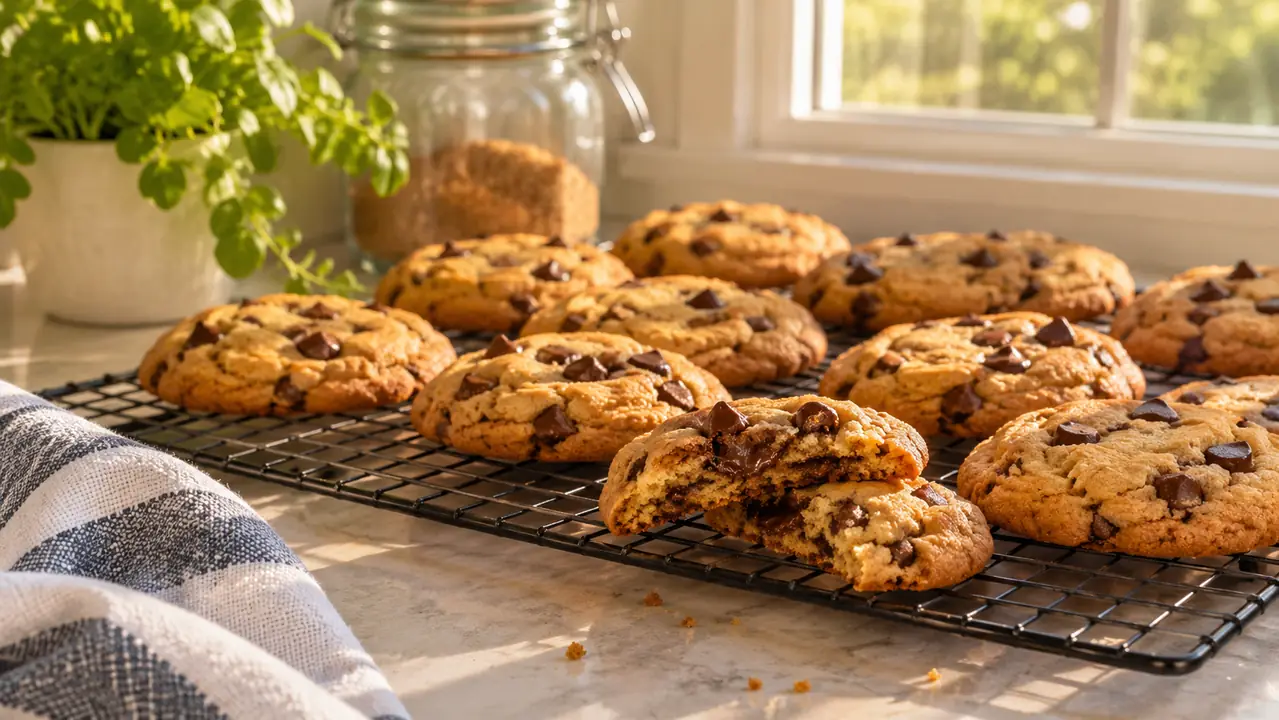
Let me also tell you what it will not fix. If your oven runs 50 degrees hot, or heats unevenly from left to right, a thermometer will tell you that too, and the honest answer might be a repair or a new oven. This is not a tool that pretends otherwise. For me, the correction was a modest 15 degrees, and that was enough. My cookies stopped burning on the bottom. My pies stopped getting dark rims. My Sunday dinner rolls finally looked the way they do in the magazines.
The other thing I learned is that the thermometer does not make my oven accurate. It makes me accurate. I set the dial lower, I rotate the pans halfway through, and I trust the little Taylor thermometer more than I trust the big dial on the stove. That is a strange thing to say about a 3-inch tool that weighs about 2.88 ounces, but it is the truth.
On Sunday afternoons, when the kids and grandkids come for dinner, the thermometer sits on the rack behind the roast, doing its quiet job. Nobody at the table knows it is there. But I know, and that is the point. It is the difference between hoping the rolls turn out and knowing they will.
What I'd Tell You If We Were Sitting at My Kitchen Table
If you were sitting at my kitchen table with a cup of coffee, I would tell you this. Before you buy new pans, before you change your recipe, before you decide you have lost your touch, check the actual temperature inside your oven. Hang a thermometer from the middle rack, set the oven to 350, and give it a few minutes to settle. Your oven may be telling you the truth. Mine was not. The Taylor thermometer has sat on my rack for about two years now, and it has never once told me a pretty lie. That is exactly what I want from a tool. And if your oven is telling the truth, you will know that too, and you can move on to the next suspect with a clear conscience.
Find out what your oven is really doing
The Taylor Analog Oven Thermometer reads from 100°F to 600°F, with a large, colorful dial and clearly marked cooking zones. It is the most useful small tool in my kitchen.
Amazon Check Today's Price on Amazon →